
OAE Testing Audiologist in Lady Lake, FL
Standard sound booth tests measure how well you respond to sound, but they do not tell the whole story. An otoacoustic emissions test goes deeper, measuring how well the tiny hair cells inside your cochlea are actually functioning. At Hearing in Paradise in Lady Lake, Florida, OAE testing is a core part of our diagnostic process, giving us a level of clinical detail that only about 10% of practices offer. If you have been told your hearing is "fine" but still struggle to follow conversations, this test may reveal exactly what has been missed.
What Is OAE Testing?
Measuring Cochlear Function at the Source
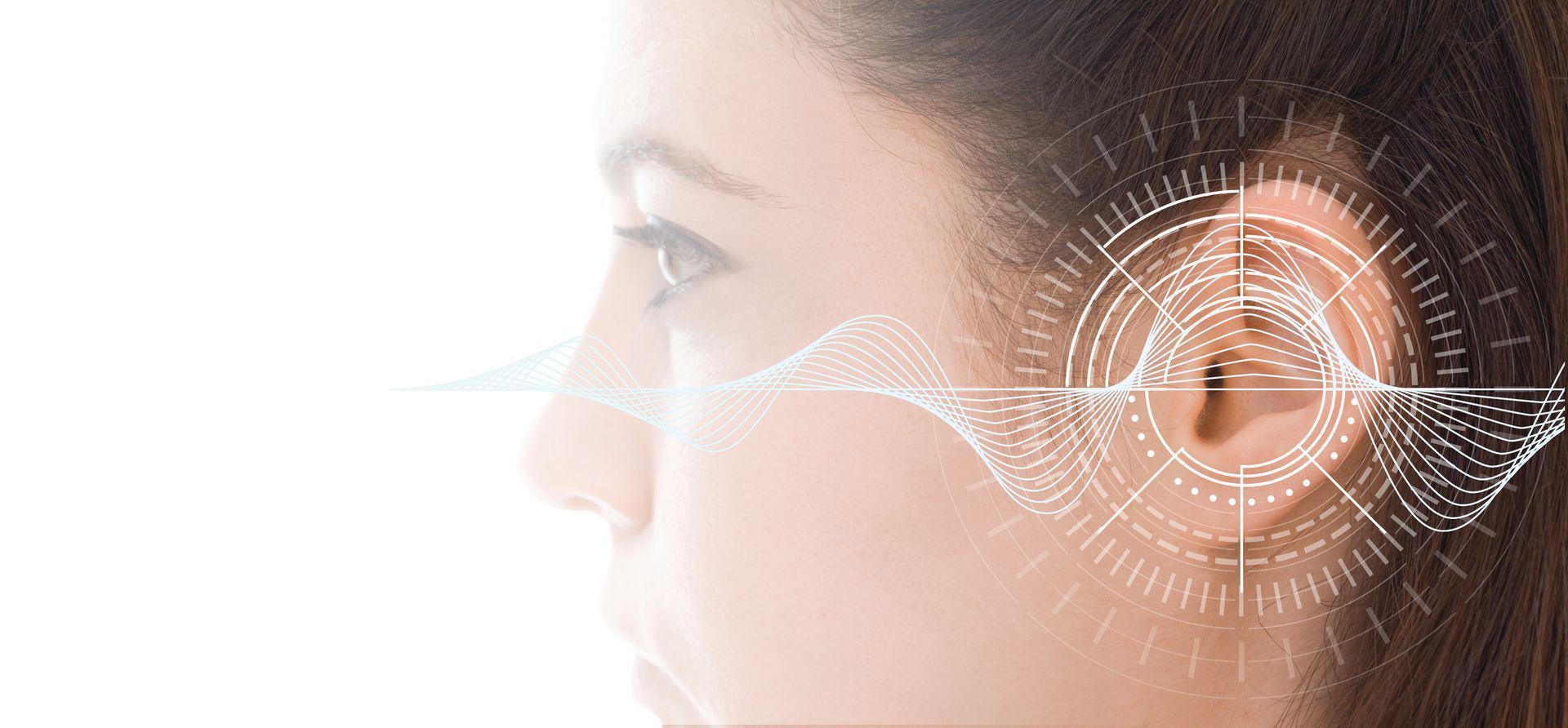
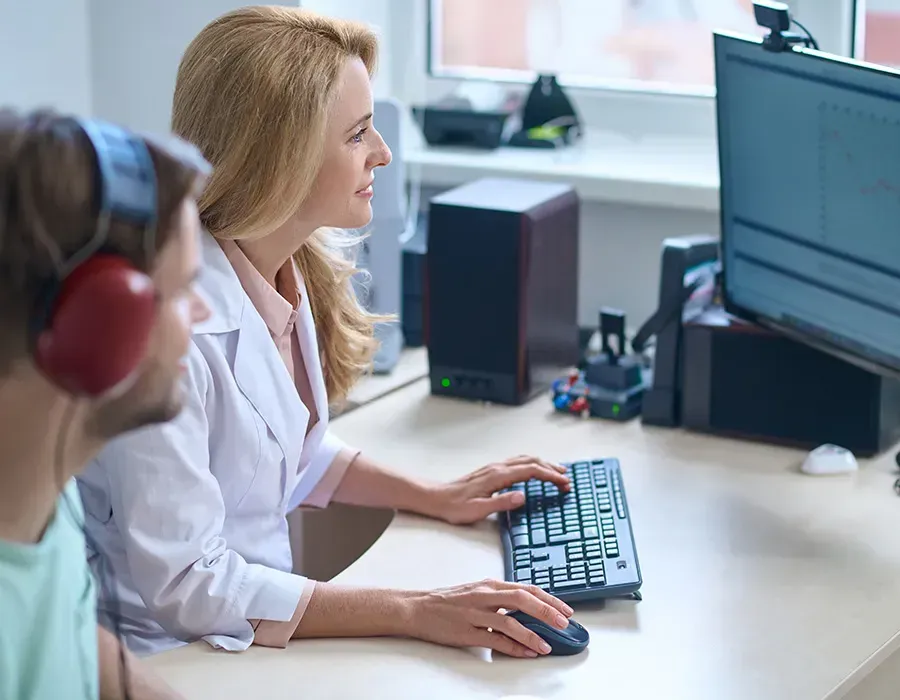
Otoacoustic emissions are faint sounds produced by the outer hair cells in your cochlea in response to auditory stimulation. When these hair cells are healthy, they generate a measurable echo. When they are damaged or compromised, that response is absent or reduced. An OAE test captures this response using a small probe placed in the ear canal, producing results in minutes without any active participation required from the patient. This makes it one of the most objective and reliable tools available for inner ear function testing. Because the test bypasses behavioral responses entirely, it can detect subtle cochlear damage that a standard audiogram simply cannot pick up.
Why It Matters
Finding the Hidden Hearing Drops Standard Tests Miss
One of the most frustrating experiences for patients is passing a routine hearing screening only to continue struggling with speech clarity, background noise, or high-pitched sounds. OAE testing fills that gap. By directly assessing cochlear hair cell function, this test can identify high-frequency spikes and hidden hearing drops that fall outside the range of a traditional sound booth evaluation. These processing bottlenecks between the ears and the brain's auditory cortex are often the root cause of difficulty understanding speech in noisy environments, even when a patient appears to have "normal" hearing on paper. At Hearing in Paradise, this level of cochlear function assessment is not an add-on; it is standard care.
Our Approach
Precision Diagnostics Backed by 40 Years of Clinical Experience
Sylvia J. Horgan is a Board Certified, State Licensed Hearing Aid Specialist with over 40 years of private practice experience serving communities including The Villages, Lady Lake, Wildwood, Leesburg, and Fruitland Park. Her diagnostic process does not stop at what a standard test can show. By incorporating OAE testing alongside sound booth evaluations and tympanometry, she builds a complete picture of your auditory health. This full-spectrum approach allows her to identify not just the presence of hearing loss, but its specific origin, whether that is a cochlear hair cell issue, a middle ear problem, or a processing bottleneck further along the auditory pathway. Every finding feeds directly into a personalized treatment plan focused on long-term brain health and cognitive preservation.
The Brain Health Connection
Why Early Detection Protects More Than Your Hearing
Untreated hearing loss does not stay contained to the ears. Research aligned with Dr. Keith Darrow's work shows a direct link between auditory deprivation and frontal lobe atrophy, the same region of the brain where dementia develops. Proper hearing care and treatment is associated with a 30% to 40% lower risk of cognitive decline. The sooner a cochlear issue is identified through precise inner ear function testing, the sooner a treatment plan can be put in place to reduce the cognitive load on the brain and keep the auditory cortex active. Waiting, or accepting a "you passed" result when something still feels wrong, carries real neurological risk. OAE testing is one of the most powerful tools available to catch problems early and act on them with clinical confidence.
Your Questions Answered
Common Questions About OAE Testing
What does an otoacoustic emissions test actually measure?
An OAE test measures the response produced by the outer hair cells inside your cochlea when they are stimulated by sound. Healthy hair cells generate a faint, measurable echo. When those cells are damaged or not functioning properly, that echo is reduced or absent. The test uses a small probe placed in the ear canal and requires no active response from you, making it a highly objective form of inner ear function testing. Results are typically available within minutes and provide clinical detail that goes well beyond what a standard audiogram can show.Can I pass a standard hearing test and still benefit from an OAE test?
Yes, and this is one of the most important reasons OAE testing exists. A standard sound booth test measures your behavioral response to tones, but it does not directly assess how well your cochlear hair cells are working. It is entirely possible to pass a routine hearing screening while still having damaged hair cells that cause difficulty understanding speech in noisy environments or processing high-frequency sounds. If you have been told your hearing is normal but still struggle in conversations, an otoacoustic emissions test can identify the hidden hearing drops and processing bottlenecks that the standard test missed.Is OAE testing available at most hearing clinics?
No. While OAE testing is routinely used for newborn hearing screenings, it is offered by only about 10% of adult audiology and hearing care practices. Most clinics rely solely on sound booth testing, which means a significant number of patients with cochlear hair cell damage are never properly identified. At Hearing in Paradise in Lady Lake, FL, OAE testing is a standard part of the diagnostic process, not an optional add-on. This is one of the key ways the practice identifies issues that other providers in The Villages area may overlook.Does the OAE test hurt or require any special preparation?
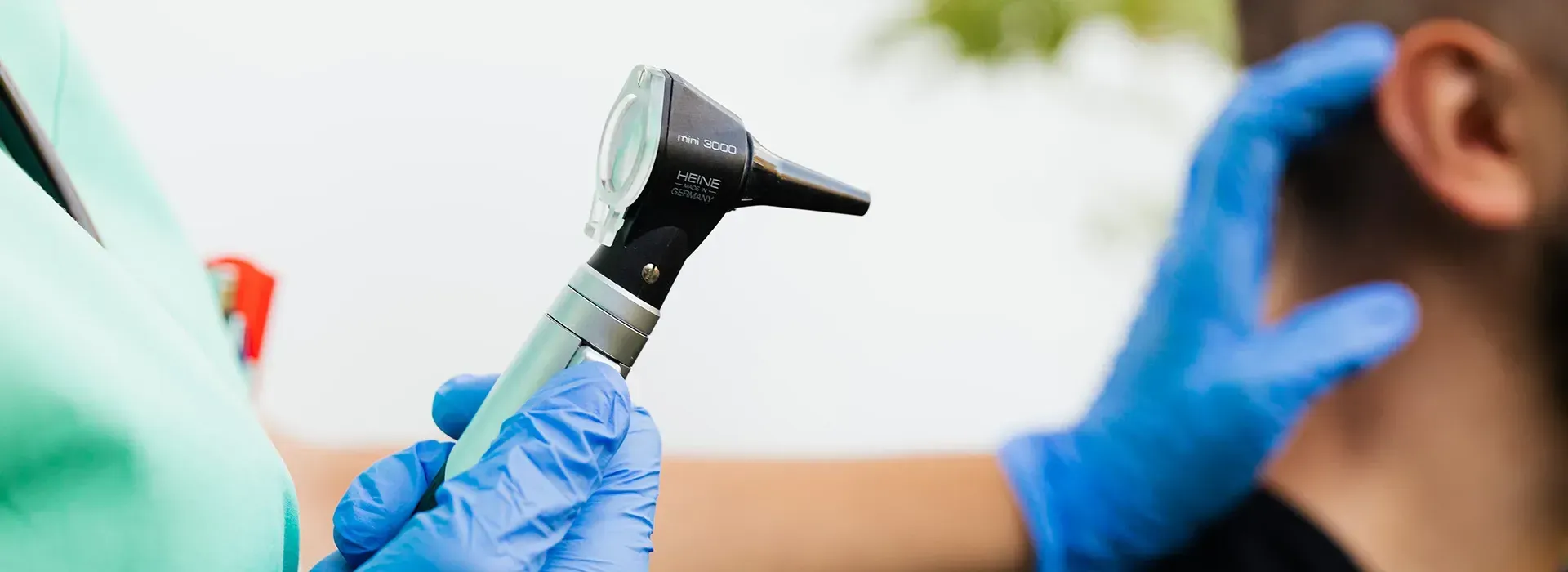
No, the test is completely non-invasive and painless. A small, soft probe is placed at the entrance of the ear canal, soft tones are played, and the equipment records the response from your cochlear hair cells. The entire process takes only a few minutes per ear. There is no special preparation required beforehand. The main factor that can affect results is the presence of excess earwax or a middle ear issue, which is why OAE testing is typically performed alongside tympanometry as part of a full diagnostic evaluation.How does identifying cochlear issues early relate to dementia risk?
When cochlear hair cells are damaged and the auditory signal reaching the brain is incomplete or distorted, the brain works significantly harder to process sound. This places extra cognitive load on the frontal lobe, the same region where dementia develops. Over time, auditory deprivation can contribute to frontal lobe atrophy. Research aligned with Dr. Keith Darrow's work indicates that proper hearing care and treatment is associated with a 30% to 40% lower risk of cognitive decline. Identifying cochlear issues early through OAE testing allows a treatment plan to be put in place before that neurological burden accumulates.Who is a good candidate for an otoacoustic emissions test at Hearing in Paradise?
Any adult aged 18 or older who has concerns about their hearing clarity, speech understanding in noise, or tinnitus is a good candidate. OAE testing is particularly valuable for people who have passed standard hearing screenings but still notice difficulty following conversations, musicians or pilots who need a precise picture of their cochlear health, and patients experiencing tinnitus where the underlying cause has not been clearly identified. Hearing in Paradise serves patients throughout The Villages, Lady Lake, Wildwood, Leesburg, and Fruitland Park, all by appointment.